Description
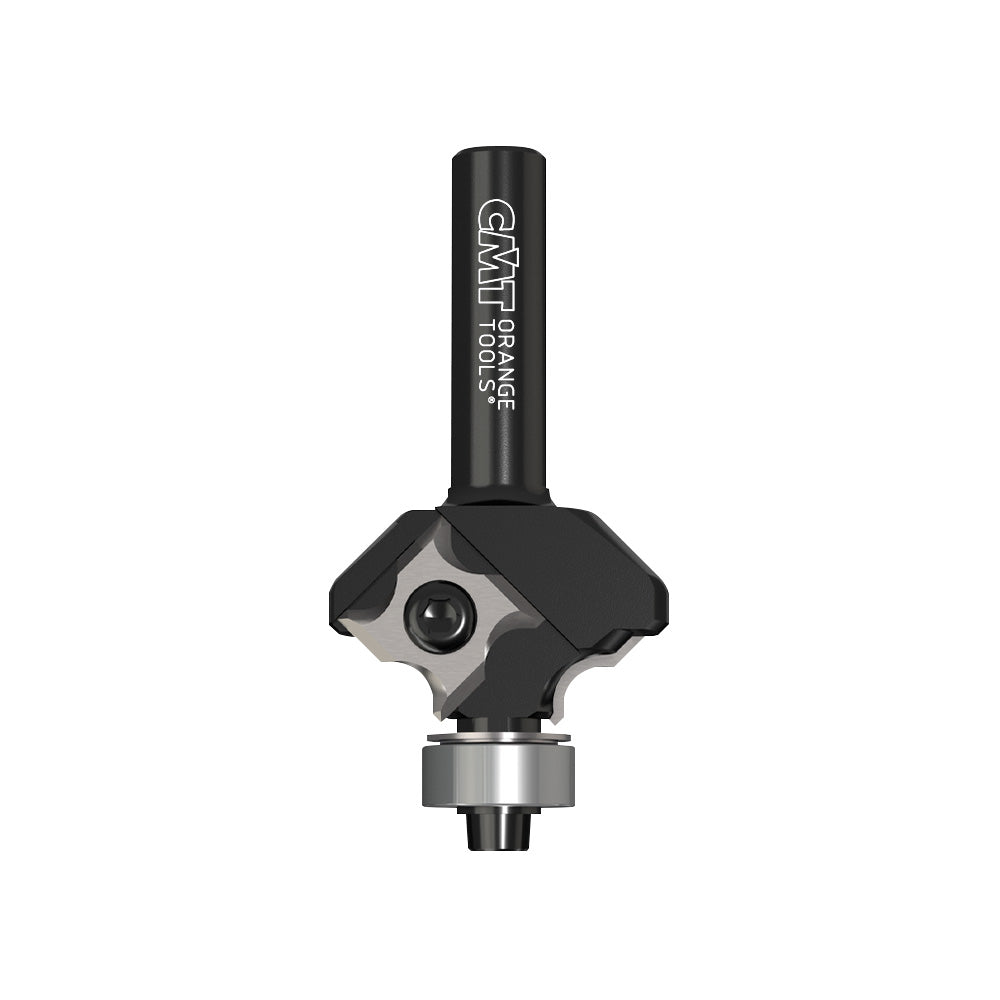
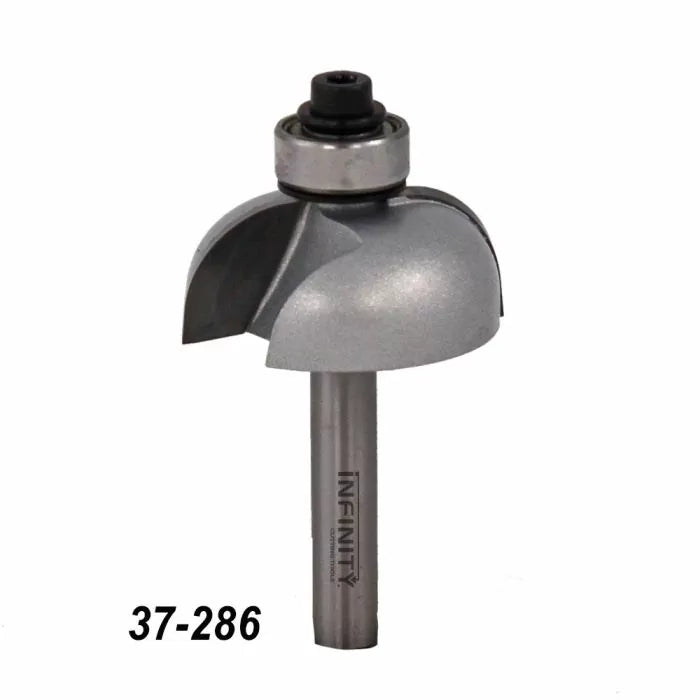
Elevate your woodworking with refined, concave detailing using this premium cove router bit. Designed for seamless edge profiles, it’s perfect for adding elegance to furniture, cabinet doors, molding, and more.
- Concise, decorative results — Perfect for ornate trim, drawer fronts, and sophisticated joinery.
- Size matters — This bit features a ¼″ shank, a ⅜″ radius, and a ½″ cutter height—ideal for precise, medium-width coves.
- Quality that lasts — Crafted from durable carbide, it delivers long-lasting sharpness and reliability.
- Smooth, tear-free cuts — Engineered shear angles minimize tear-out, producing clean, sand-free finishes.
- Easy handling — Compatible with handheld routers and router tables alike, offering flexibility across applications.
- Low-friction coating — The silver, non-stick finish ensures smoother cuts and longer tool life.
This cove bit brings both beauty and precision to any project. Its optimized geometry and coating means cleaner cuts with less effort, while the versatile shank size fits a wide range of tools.
Router Bit Suggested RPM & Safety Guidelines
Cove Router Bits
Cove router bits make simple shapes that lend an elegant detail to almost any edge! Use cove router bits to make furniture, drawer fronts and cabinet doors to make them go from ordinary to elegant.
Cove router bits are one of the most common profile router bits used today. Available in a wide variety of sizes (or more accurately — radii), they are used to make furniture, drawer fronts, cabinet doors and even joinery!
Cove bits can be purchased separately, or buy them buy the set to make sure you’re ready for any eventuality.
These bits can be used hand-held, or in a router table. Commonly available with a bearing to guide the profile cut, they can also be used with the fence adjusted to make the cove cut less deep.
When matched with a roundover bit, you can create the classic drop leaf, or rule joint. This joint is found on drop-leaf side tables and card tables popular in the 18th Century.
Infinity cove bits use a shearing angle to provide a cleaner cut with less effort. This angle also reduces tearout and provides a great surface as a profile, or as part of a matched joinery set.